
The term holistic development is becoming increasingly common in conversations around education, child psychology, and wellbeing. Yet, many parents are still left wondering what it actually means in practice and why it matters so much for children’s learning.
At its core, holistic development refers to supporting every aspect of a child’s growth – not only academic achievement, but also emotional wellbeing, social confidence, communication skills, independence, and physical development. Rather than viewing learning as simply the ability to read, write, or pass tests, a holistic approach recognises that children thrive when all areas of development are nurtured together.
According to the Early Years Foundation Stage (EYFS) Framework, children learn most effectively when they feel secure, supported, and emotionally connected to their environment. This reflects the growing understanding within education that academic progress cannot be separated from wellbeing.
At LS Tuition, this whole child philosophy underpins every aspect of teaching and learning.
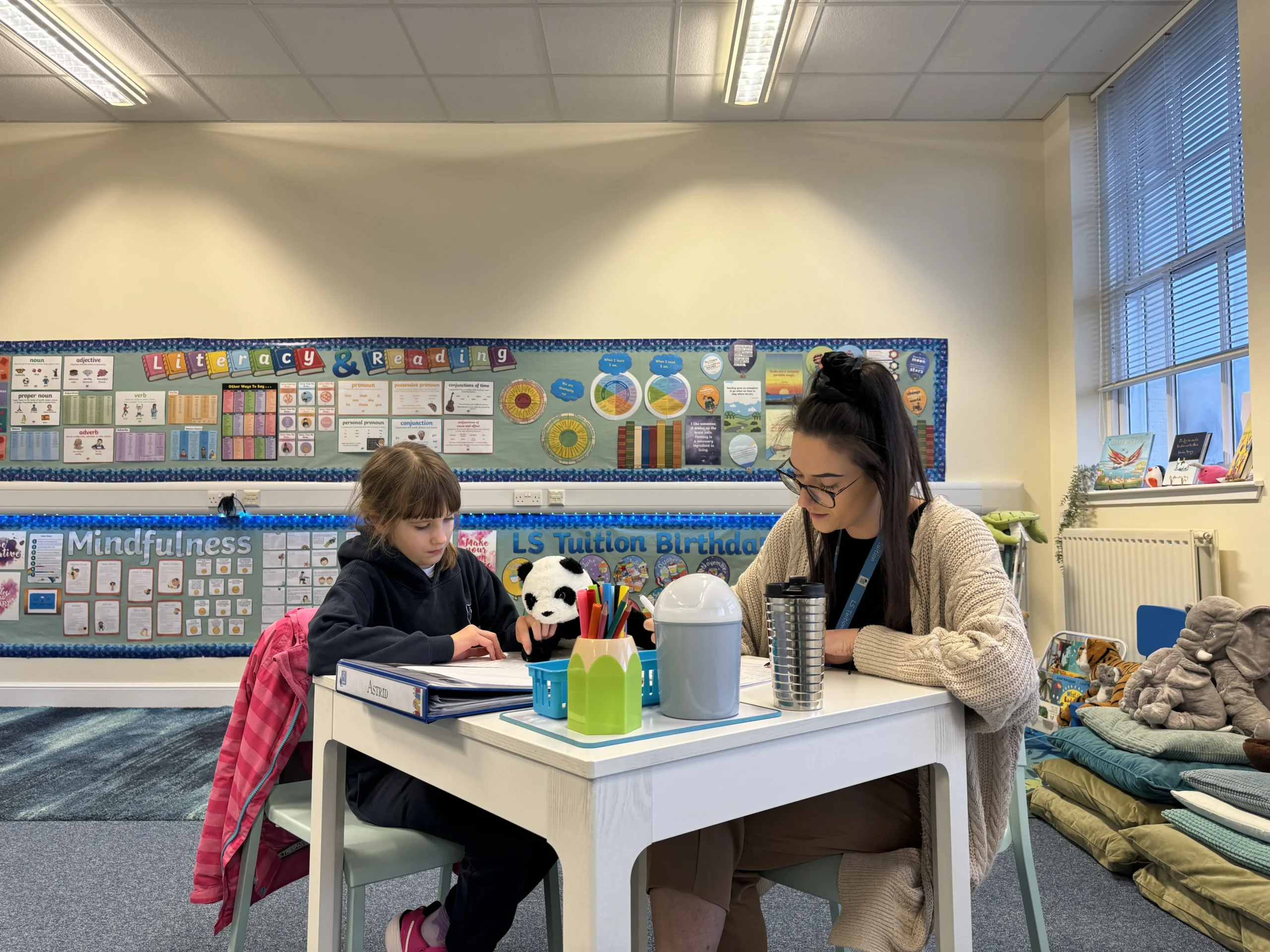
Understanding the Whole Child Approach
Traditional models of education have often focused heavily on measurable academic outcomes. While academic knowledge is important, modern educational research increasingly shows that children’s emotional and social development directly affects their ability to learn.
A child who feels anxious, overwhelmed, or lacking in confidence may struggle to engage fully in learning, regardless of their academic ability. Conversely, children who feel emotionally secure are more likely to take risks, ask questions, solve problems independently, and develop resilience when challenges arise.
This is why holistic development is such an important educational approach. It acknowledges that learning is deeply connected to how children feel, interact, and understand themselves.
The Education Endowment Foundation highlights the strong relationship between social and emotional learning and improved academic outcomes, particularly in areas such as confidence, self-regulation, and motivation.
The Key Areas of Holistic Development
Holistic development involves several interconnected areas of growth that work together continuously throughout childhood.
Cognitive Development
Cognitive development related to thinking, reasoning, memory, and problem-solving skills. This is the area most traditionally associated with education. However, children develop cognitively most effectively when they are emotionally supported and actively engaged in meaningful learning experiences.
Emotional Development
Emotional development involves recognising, understanding, and managing emotions. Children who develop emotional awareness are often better able to cope with setbacks, regulate frustration, and approach learning with greater confidence.
Supporting emotional wellbeing is now widely recognised as essential with education. Organisations such as YoungMinds continue to emphasise the importance of emotional support in helping children thrive both academically and personally.
Social Development
Children learn through relationships. Social development includes communication, cooperation, empathy, and the ability to build positive relationships with others. Strong social skills help children participate confidently in both learning and everyday life.
Physical Development
Physical wellbeing also plays a significant role in learning. Sleep, movement, coordination, and overall health can affect concentration, emotional regulation, and confidence.
Personal Development
Personal development focuses on independence, self-esteem, resilience, and self-awareness. These qualities influence how children approach challenges and develop a positive attitude towards learning over time.
Why Holistic Development Matters in Education
One of the most important aspects of holistic development is that it focuses on long-term growth rather than short-term performance.
Children are not simply preparing for exams; they are developing the skills, attitudes, and emotional foundations that will shape how they navigate life beyond school.
When education focuses solely on outcomes and performance, children can begin to associate learning with pressure or fear of failure. A holistic approach instead encourages curiosity, confidence, and genuine engagement.
Research from UNICEF UK consistently highlights the importance of emotional security, wellbeing, and positive relationships in helping children reach their full potential.
Children who experience a holistic learning environment are often better able to:
- Develop resilience when faced with challenges
- Build healthy self-esteem and confidence
- Communicate effectively with others
- Engage more positively with learning
- Become more independent thinkers
- Develop stronger emotional regulation skills
These qualities not only support academic achievement but also contribute to overall wellbeing and future success.
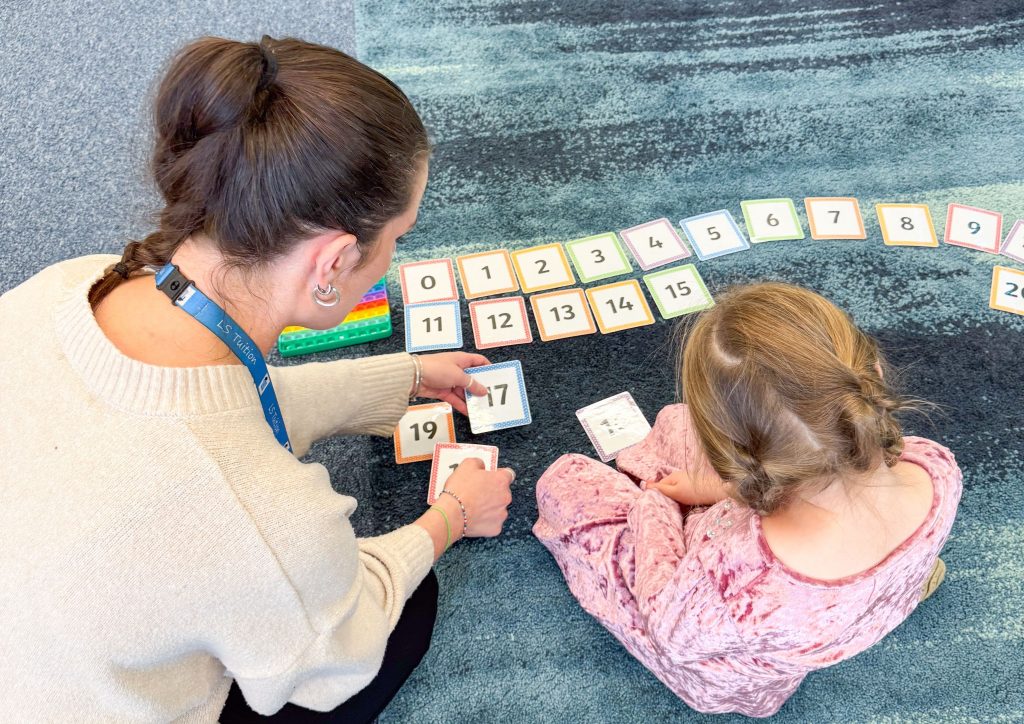
What Holistic Development Looks Like in Practice
In practice, a holistic approach to education is not about lowering expectations or avoiding challenge. Instead, it means understanding that meaningful learning happens most effectively when children feel supported as individuals.
A holistic learning environment may involve encouraging children to explain their thinking rather than simply memorising answers. It may mean recognising when emotional factors are affecting concentration or adapting teaching approaches to suit different learning styles.
Importantly, holistic development also values creativity, curiosity, and confidence alongside academic progress.
LS Tuition’s approach to learning supports children not only academically but emotionally and personally as well. Teaching is tailored to the individual child, helping them feel secure, capable, and understood.
How LS Tuition Supports Holistic Development
At LS Tuition, holistic development is embedded into everyday teaching practice.
This means recognising that confidence and emotional wellbeing are often closely linked to academic progress. Many children who struggle with learning are not lacking ability; they may simply need the right support, environment, or encouragement to rebuild confidence in themselves.
By creating calm, supportive, and low-pressure learning experiences, children are given the opportunity to engage more openly with learning and develop greater independence over time.
This approach includes:
- Building trusting relationships between tutor and child
- Supporting confidence before focusing on performance
- Encouraging reflective and independent thinking
- Adapting learning to individual needs and strengths
- Recognising the connection between emotions and learning
Parents can learn more about LS Tuition’s personalised tutoring and how a holistic approach can help children feel more positive about learning.
Final Thoughts
Understanding holistic development changes the way we think about education.
Rather than asking only, “What does this child know?”, a holistic approach asks, “How is this child developing overall?”
When children feel emotionally secure, valued, and confident, learning becomes more meaningful and sustainable. Academic success is important, but true education is about far more than results alone. It is about helping children develop the confidence, resilience, and self-belief they need to thrive in all areas of life.
At LS Tuition, supporting the whole child remains central to helping children become capable, confident learners.
Frequently Asked Questions
Holistic development refers to supporting all areas of a child’s growth, including emotional, social, cognitive, physical, and personal development, rather than focusing solely on academics.
Holistic development helps children build confidence, emotional resilience, communication skills, and independence, all of which support both learning and overall wellbeing.
The key areas include cognitive, emotional, social, physical, and personal development. Each area influences the others and contributes to a child’s overall growth.
Parents can support holistic development by encouraging emotional expression, building confidence, creating positive learning experiences, supporting independence, and maintaining strong relationships with their children.