

Praise Effort or Outcome? A Guide for Parents
You may have heard the advice, “praise the effort, not the outcome”, it’s everywhere and for good reason.
But in reality, it’s not always that simple.
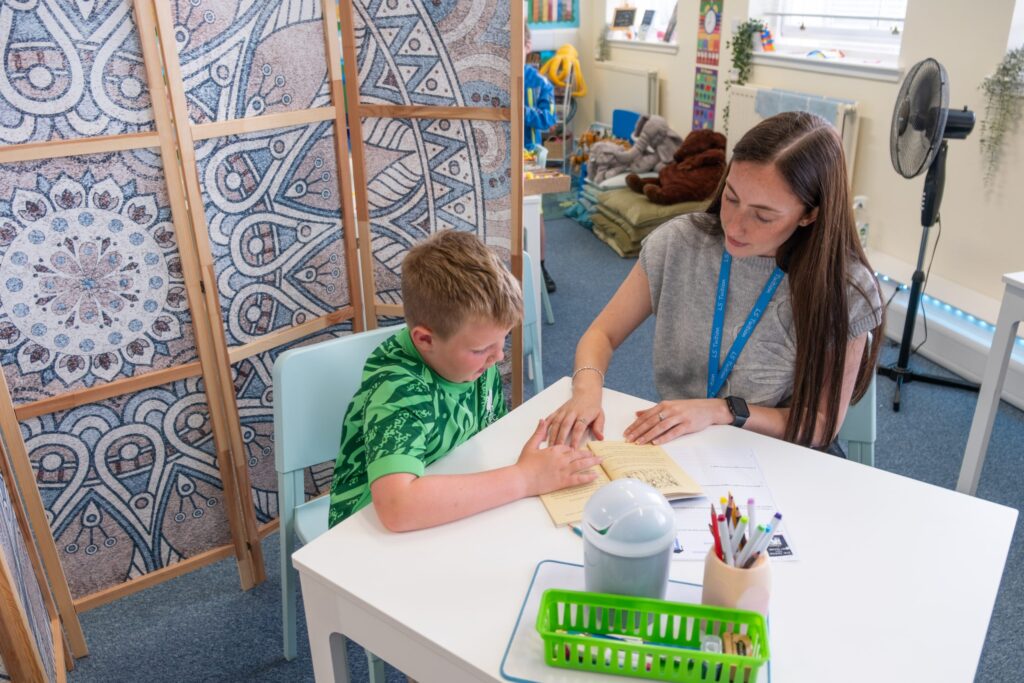
At LS Tuition, we often work with children whose confidence and attitude towards learning have been shaped by how they’ve been praised over time.
So, let’s take a closer look at what actually helps children feel confident, motivated, and willing to learn.
Why Praise Matters
The way we respond to children, especially when they succeed or struggle, has a lasting impact.
For example:
- “You’re so clever!” – can create pressure to succeed
- “Well done, you got it right!” – focuses only on the result
- “I can see how hard you worked on that” – values the process
Over time, these messages shape how children see themselves. Do they believe:
“I’m naturally good at this”
or
“I can improve if I keep trying”
That difference matters.
The Problem With Focusing Only on Results
When praise is mostly about outcomes (marks, scores, getting things right), children can start to:
- Avoid challenges
- Worry about making mistakes
- Link their self-worth to success
This can quietly affect confidence, even in children who appear to be doing well.

But It’s Not Just About Effort Either
There’s an important nuance that’s often missed. Simply saying “well done for trying” isn’t always enough.
Children also need to understand:
- What helped them succeed
- What they can improve
- What to try next
So rather than effort alone, the real goal is effort, strategy and progress.
What Effective Praise Looks Like
The most helpful praise is specific and meaningful. For example:
💙 Focus on Effort and Approach
“I like how you kept trying different ways to solve that”
💙 Highlight Progress
“That’s much clearer than last time, you’ve really improved”
💙 Notice Strategies
“You checked your work carefully, that made a difference”
This helps children see that their actions lead to improvement.
A Simple Shift That Makes a Big Difference
Instead of:
“You got full marks, well done!”
Try:
“Well done for getting full marks. I can see you practised a lot and checked your answers carefully.”
This connects effort, strategy and outcome. This helps build real confidence.
Supporting Your Child at Home
You don’t need to change everything, small adjustments go a long way:
💙 Be Specific
Move beyond “good job” and name what they did well
💙 Normalise Mistakes
Mistakes are part of learning, not something to avoid
💙 Ask Reflective Questions
“what helped your figure that out?”
“What would you try next time?”
💙 Balance praise
Acknowledge both effort and praise
How This Builds Confidence over Time
When children understand that effort and strategies lead to improvement, they are more likely to:
- Keep trying when things feel difficult
- Take on new challenges
- Feel proud of their progress
Confidence grows not from being right, but from feeling capable.
How LS Tuition Supports This Approach
At LS Tuition, this way of thinking is built into every session. We don’t just focus on correct answers or completed work.
We focus on how a child is thinking, the strategies they’re using and the progress they are making over time.
This helps children:
- Feel less pressure
- Build independence
- Develop a more positive relationship with learning
A Helpful Mindset Shift
Instead of asking, “Did they get it right?”, try:
“What did they learn?”
It’s a small change, but it shifts the focus from performance to progress, and that’s where long-term confidence is built.
Praise effort, not outcome, is a great starting point, but the real goal is deeper.
We want to help children believe that they can improve.
When children believe that, everything changes:
- They try more
- They worry less
- They learn more effectively
If you would like to discuss how LS Tuition can support your child. Book a free discovery call today.